what is shockwave therapy machine?
Basic Definition of Shockwave therapy machines
A shockwave therapy machine is a medical device that generates and delivers high-energy acoustic pressure waves (shockwaves) to targeted areas of the body. These mechanical waves travel through soft tissue to stimulate healing, reduce pain, and restore function in damaged or chronically inflamed musculoskeletal structures. Originally developed for medical use in the 1980s for breaking down kidney stones (extracorporeal shock wave lithotripsy), the technology was later adapted for musculoskeletal and regenerative applications, and is now widely used in orthopedics, sports medicine, physical therapy, physiotherapy, and even aesthetic medicine.
Core Working Principle
Shockwave therapy works on the biological principle of mechanotransduction—the process where mechanical energy from shockwaves is converted into biochemical signals within cells. Key mechanisms of action include:
- Neovascularization: Shockwaves stimulate the growth of new blood vessels in damaged tissue, increasing blood flow, oxygen and nutrient delivery to support natural healing.
- Stem cell activation: The mechanical stress triggers the recruitment and activation of endogenous stem cells at the injury site, promoting tissue regeneration.
- Pain modulation: Shockwaves disrupt pain signal transmission and break down calcified trigger points or tense fascia, reducing chronic pain sensitivity.
- Collagen remodeling: The energy stimulates fibroblast activity, encouraging the production of new healthy collagen and restructuring of damaged connective tissue (such as tendons and ligaments).
Main Types of Shockwave Therapy Machines
Shockwave therapy machines are generally categorized into two main types based on how they generate shockwaves:
1. Extracorporeal Pulse Activation Technology (EPAT) / Focused Shockwave
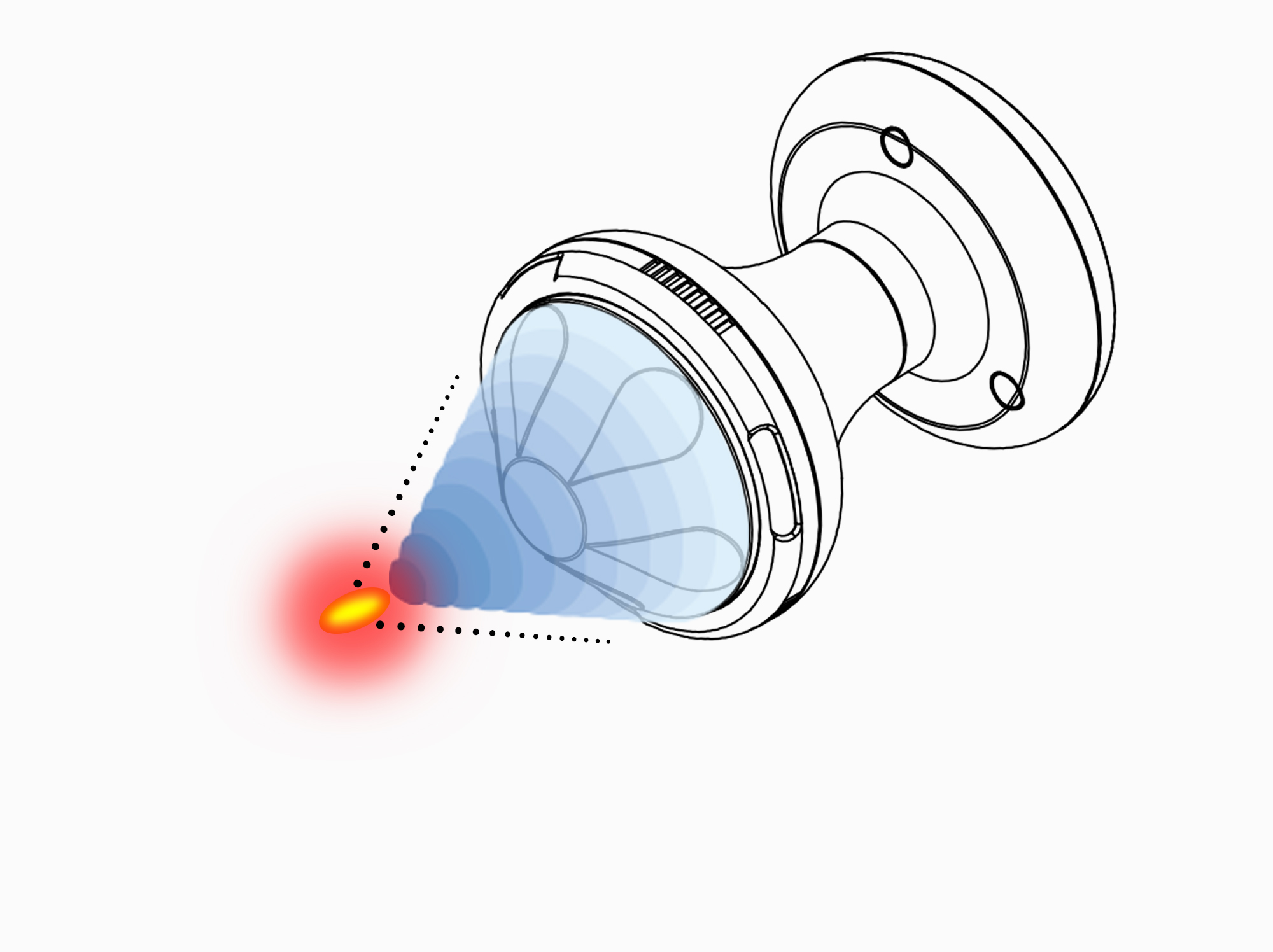
Focused shockwave machines produce highly concentrated, high-energy waves that penetrate deep into the body (up to 10cm beneath the skin). They are designed to target deep lesions, such as:
- Large joint injuries
- Bone non-unions
- Deep tendinopathies like proximal hamstring tendinopathy or hip labrum injuries
Most focused devices require precise imaging guidance (ultrasound or X-ray) to align the shockwave head with the target area, and are commonly used in clinical hospital settings.
2. Radial Shockwave Therapy (RSWT)
Radial shockwave machines generate waves that spread out radially from the tip of the applicator. The energy is highest at the surface and gradually decreases with depth, making them ideal for treating superficial to mid-depth musculoskeletal conditions. They are more portable, easier to use without imaging guidance, and are the most common type found in private physical therapy clinics, sports medicine practices, and chiropractic offices.
There is also a third less common category calledfocused radial shockwavethat combines features of both types for adjustable depth and energy delivery.
Common Clinical Applications
Shockwave therapy machines are primarily used to treat chronic musculoskeletal conditions that do not respond to conservative treatments like rest, physical therapy, or anti-inflammatory medications. Common indications include:
- Tendinopathies: Plantar fasciitis, Achilles tendinopathy, tennis elbow (lateral epicondylitis), golfer’s elbow (medial epicondylitis), rotator cuff tendinopathy, jumper’s knee (patellar tendinopathy)
- Heel pain and bone spurs: Plantar fasciitis and calcaneal heel spurs are one of the most successfully treated conditions with shockwave therapy
- Muscle and fascia conditions: Chronic muscle tightness, trigger points, myofascial pain syndrome
- Bone healing: Delayed union or non-union of bone fractures, avascular necrosis of the femoral head in early stages
- Sports injuries: Chronic overuse injuries common in runners, jumpers, and throwing athletes
- Other uses: Erectile dysfunction (low-intensity extracorporeal shockwave therapy), aesthetic treatments for cellulite and skin tightening, wound healing for chronic diabetic ulcers
Key Benefits of Shockwave Therapy
The technology offers several advantages over more invasive treatment options:
- Non-invasive: No surgery, no incisions, no general anesthesia required
- Low risk: Very few side effects (mild temporary soreness or bruising is the most common adverse reaction)
- Outpatient procedure: Treatments typically take 10-30 minutes and patients can return to normal activities immediately
- High success rate: Clinical studies report 60-80% success rates for chronic tendinopathies and other common indications
- Cost-effective: Avoids the higher cost and long recovery time associated with surgery
Typical Treatment Protocol
Most treatment plans involve 3-5 sessions spaced 1-2 weeks apart, allowing time for the body’s healing processes to activate between treatments. The intensity of the shockwaves is adjusted based on the patient’s pain tolerance and the condition being treated. Many patients report pain reduction within a few weeks of the final treatment, with full improvements continuing over 3-6 months as tissue regeneration progresses.
How Much Does a Shockwave Therapy Machine Cost
The cost of shockwave therapy machines varies significantly based on factors such as type, features, brand, and intended use. Prices can range from affordable portable models for home use to high-end clinical systems designed for hospital settings.
Key Factors Influencing Price
Several factors determine the price of a shockwave therapy machine:
- Machine Type: Focused shockwave machines are generally more expensive than radial devices due to their advanced technology and deeper penetration capabilities.
- Features and Technology: Machines with multiple treatment modes, adjustable energy settings, and advanced targeting systems command higher prices.
- Brand and Quality: Established medical device manufacturers with proven track records typically charge more for their products.
- Intended Use: Veterinary-specific models may have different pricing structures compared to human medical devices.
Price Range by Category
Shockwave therapy machines can be categorized into three main price ranges:
1. Home Use Portable Devices
Price: $200 – $1,500 (approximately 1,500 – 10,000 RMB)
These basic, user-friendly models are designed for personal use at home. They typically offer lower energy levels and fewer features than professional machines, making them suitable for mild conditions like plantar fasciitis or muscle soreness.
2. Clinical/Clinic Grade Machines
Price: $1,500 – $7,000 (approximately 10,000 – 50,000 RMB)
These mid-range devices are commonly found in physical therapy clinics, chiropractic offices, and sports medicine practices. They offer more power and features than home models, including multiple treatment heads and adjustable energy settings.
3. Hospital/High-End Systems
Price: $7,000 – $30,000+ (approximately 50,000 RMB and above)
These advanced systems are used in hospitals and specialized medical centers. They feature high-energy focused shockwave technology, precise targeting capabilities, and often require specialized training to operate. Some models include integrated imaging guidance systems for accurate treatment delivery.
Additional Costs to Consider
When budgeting for a shockwave therapy machine, it’s important to consider additional costs:
- Accessories: Extra treatment heads, coupling gels, and replacement parts can add to the overall cost.
- Training and Support: Professional machines may require specialized training for proper use, and ongoing technical support may involve additional fees.
- Maintenance: Regular servicing and calibration are necessary to keep medical-grade equipment in optimal condition.
Purchasing Tips
When selecting a shockwave therapy machine, consider the following:
- Assess Your Needs: Determine the primary use cases and required features before making a purchase decision.
- Research Brands: Look for reputable manufacturers with positive reviews and reliable customer support.
- Compare Prices: Obtain quotes from multiple suppliers and consider both upfront costs and long-term maintenance expenses.
- Check Warranty and Support: Ensure the machine comes with a comprehensive warranty and accessible technical support.